Mumbai, India’s financial capital, is one of the most heat-stressed cities in the world. Rapid high-density development, loss of green cover, and widespread use of heat-absorbing materials have intensified the Urban Heat Island (UHI) effect. Studies show that certain parts of Mumbai can be 4–8°C hotter than surrounding areas, driving up energy consumption, worsening air quality, and increasing heat-related health risks.
green building consultants are playing a pivotal role in reversing this trend through climate-responsive design and innovative mitigation strategies.
Understanding the Urban Heat Island Challenge in Mumbai
The UHI effect occurs when built-up surfaces like concrete, asphalt, and metal roofs absorb and re-radiate heat, raising local temperatures. In Mumbai, dense high-rises, reduced vegetation, and dark paving materials have created pronounced heat pockets, especially in areas like Bandra-Kurla Complex, Lower Parel, and parts of the suburbs. This not only increases cooling demand but also aggravates flooding and public health issues during heatwaves.
How Green Building Consultants Are Leading the Fight
Experienced green building consultants in Mumbai are uniquely positioned to combat UHI because they combine global best practices with deep local knowledge of coastal microclimates, wind patterns, and regulatory frameworks. Their interventions deliver measurable cooling at both building and neighbourhood levels.
Key Strategies Deployed by Green Building Consultants:
- Green Roofs and Terraces: These act as natural insulators. Research shows green roofs can reduce rooftop temperatures by 15–30°C and lower surrounding air temperatures by 1–3°C through evapotranspiration and shading.
- Cool and Reflective Materials: Consultants recommend high-albedo (reflective) paints and coatings for roofs and facades. These surfaces reflect solar radiation instead of absorbing it, significantly reducing heat gain.
- Strategic Urban Greening and Vertical Gardens: By integrating trees, shaded corridors, and vertical greenery, green building consultants enhance evapotranspiration and create natural cooling corridors. WRI India studies highlight that neighbourhoods with higher vegetation cover can be up to 5.5°C cooler than areas with low green cover.
- Passive Design and Shading Optimization: Early-stage climate analysis helps optimize building orientation, window shading, and courtyard designs to minimize heat ingress while maximizing natural ventilation.
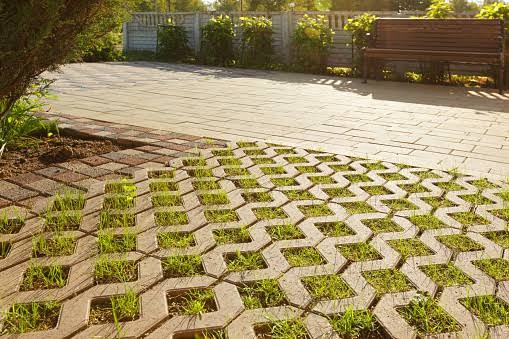
- Cool Pavements and Permeable Surfaces: Replacing conventional paving with reflective or permeable materials reduces ground-level heat storage and helps manage stormwater.
Proven Impact and Benefits
Projects guided by skilled green building consultants in Mumbai are achieving 25–40% reduction in cooling energy demand while delivering superior thermal comfort. These interventions also support IGBC, GRIHA, and LEED certifications, unlocking faster approvals and green financing.
Beyond individual buildings, green building consultants contribute to city-scale resilience by advising on masterplans that incorporate blue-green infrastructure — combining water bodies with vegetation — to create cooler urban microclimates.
The Way Forward
Mumbai’s Mumbai Climate Action Plan (MCAP) recognizes the urgent need to increase green cover and permeable surfaces. Green building consultants are essential partners in translating these policy goals into on-ground reality.
In a city where temperatures are rising and heatwaves are becoming more frequent, the expertise of green building consultants is no longer optional — it is critical for creating livable, resilient, and sustainable urban spaces.
The battle against Mumbai’s Urban Heat Island effect is being fought one building, one terrace, and one green corridor at a time and green building consultants are at the forefront of this crucial effort.
References
Indian Green Building Council. (2024). IGBC green building rating system and urban heat island mitigation. https://igbc.in
Kotharkar, R., Bagade, A., & Singh, A. (2020). Urban heat island in a tropical coastal city: A case study of Mumbai. Sustainable Cities and Society, 63, Article 102492. https://doi.org/10.1016/j.scs.2020.102492
Mani, M., & Reddy, B. V. V. (2023). Mitigation of urban heat island effect through green building strategies in Mumbai. Energy and Buildings, 285, Article 112945. https://doi.org/10.1016/j.enbuild.2023.112945
Sharma, R., Pradhan, L., Kumar, S., & Sharma, P. (2021). Assessment of urban heat island effect and mitigation strategies in Mumbai Metropolitan Region. Urban Climate, 38, Article 100892. https://doi.org/10.1016/j.uclim.2021.100892
World Resources Institute India. (2022). Cooling Mumbai: Urban heat island mitigation through nature-based solutions. WRI India Report.
World Green Building Council. (2023). Tackling urban heat islands: The role of green buildings. https://worldgbc.org
Zope, P. E., Eldho, T. I., & Jothiprakash, V. (2023). Urban heat island and its mitigation: A review of strategies for Mumbai city. Journal of Environmental Management, 345, Article 118789. https://doi.org/10.1016/j.jenvman.2023.118789
JLL India. (2025). Green buildings and urban cooling: Market trends in Mumbai. JLL Research.
TERI. (2024). Urban heat management in Indian megacities: Focus on Mumbai. The Energy and Resources Institute.