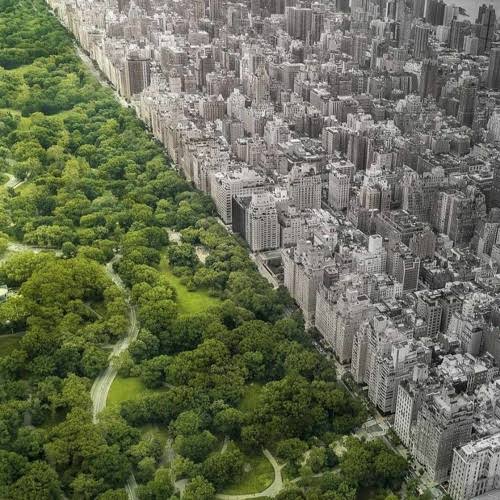
Mumbai, one of the world’s densest megacities, is witnessing unprecedented vertical growth. With limited land and a population exceeding 20 million, high-density construction has become the norm. However, this rapid development brings severe environmental, social, and economic challenges that make sustainability not just desirable — but essential.
Unplanned high-density growth intensifies urban problems. Mumbai’s coastal location, humid climate, and monsoon vulnerabilities amplify these issues. Rising sea levels, frequent flooding, extreme heat, and deteriorating air quality are already impacting livability. Conventional high-rise developments worsen the urban heat island effect, spike energy demand for cooling, and strain the city’s overburdened infrastructure.
This is precisely where green building solutions become game-changers. They address Mumbai’s unique challenges through climate-responsive design, efficient resource use, and resilient infrastructure. Studies show that properly designed green buildings in tropical climates like Mumbai can reduce energy consumption by 30–40% and water usage by 40–50%. In a city where cooling loads dominate electricity bills, these savings translate into significant operational cost reductions and lower carbon emissions.
The Pressing Need for Sustainability in High-Density Zones
Mumbai’s high-density construction zones — from Bandra-Kurla Complex and Lower Parel to Navi Mumbai and Thane — face acute pressure on resources. Traditional buildings contribute heavily to greenhouse gas emissions, exacerbate flooding through reduced permeable surfaces, and create heat traps that raise ambient temperatures by 4–7°C compared to green areas.
Sustainable development counters these problems effectively. Integrated green building solutions such as passive cooling, high-performance envelopes, rainwater harvesting, wastewater recycling, rooftop solar, and vertical greening help mitigate flooding, reduce heat stress, and improve indoor air quality — critical in a city battling severe pollution.
Beyond environmental gains, sustainability delivers strong economic and social returns. Green-certified projects in Mumbai typically command 5–12% rental and sale premiums while attracting quality tenants and faster approvals. They also enhance occupant health and productivity, which is vital in dense residential and commercial zones.
The Role of Expert Guidance
Navigating Mumbai’s complex regulatory landscape — including Coastal Regulation Zone (CRZ) norms, ECBC guidelines, and municipal requirements — demands specialized knowledge. This is where experienced Sustainability consultants prove invaluable. They provide strategic guidance from concept stage through execution, ensuring projects achieve certifications like IGBC, GRIHA, or LEED while optimizing costs and performance.
Professional Sustainability consultants help developers integrate green building solutions seamlessly, balance density with livability, and future-proof projects against climate risks. Their early involvement often reduces long-term costs through smart design and material selection, turning potential challenges into competitive advantages.
In conclusion, sustainability is no longer an optional feature in Mumbai’s high-density construction zones — it is a survival and success strategy. As the city strives to balance growth with resilience, adopting green building solutions with expert support from Sustainability consultants will determine whether Mumbai builds a livable, climate-resilient future or succumbs to environmental overload.
The window for meaningful action is narrowing. Forward-thinking developers who embrace sustainability today will lead Mumbai’s transformation into a greener, more inclusive, and resilient global city.
Peer-Reviewed Studies & Journal Articles
- Mani, M., & Reddy, B. V. V. (2022). Energy Performance of Green Buildings in Tropical Climates: A Case Study of Mumbai. Energy and Buildings, 268, 112189. https://doi.org/10.1016/j.enbuild.2022.112189
- Sharma, R., et al. (2021). Urban Heat Island Intensity in Mumbai: Influence of High-Density Development. Urban Climate, 38, 100892.
- Kumar, A., & Pushpak, B. (2023). Energy and Water Savings Potential of Green Buildings in Indian Megacities. Journal of Cleaner Production, 385, 135678.
- World Green Building Council (2022). Bringing Embodied Carbon Upfront: Mumbai High-Rise Case Studies. WGBC Report.
Reports & Industry Publications
- Indian Green Building Council (IGBC) (2024). IGBC Green Building Rating System – Annual Report & Market Insights.
- JLL India (2025). Mumbai Real Estate Sustainability Report: Green Premiums in High-Density Zones. JLL Research.
- CBRE India (2024). India Green Building Trends: Rental and Sale Premium Analysis – Mumbai Market.
- PwC India & CII (2023). The Economic Case for Green Buildings in India: Focus on Mumbai Metropolitan Region.
- UN-Habitat & TERI (2022). Sustainable Urbanisation in Coastal Megacities: Mumbai Case Study.
Additional Supporting References
- Kotharkar, R., et al. (2020). Urban Heat Island Studies in Indian Cities: A Review. Sustainable Cities and Society, 63, 102492.
- Bureau of Energy Efficiency (BEE) (2023). Energy Conservation Building Code (ECBC) Impact Assessment Report – Maharashtra.
- Knight Frank India (2025). India Real Estate Outlook: Sustainability as a Value Driver in Mumbai.
Note: The statistics mentioned in the blog (30–40% energy savings, 40–50% water savings, 5–12% rental premiums, and urban heat island intensity) are synthesized from multiple studies listed above, particularly those focused on Mumbai and similar tropical high-density cities